 Video poster
Finding inspiration in Crooked Tree
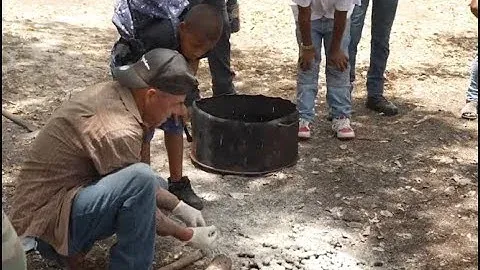
A 2025 BAS film follows a youth visit to the sanctuary with the Jah Love Foundation.
Belize Audubon Society
Audio and any available captions come from the original publisher.
Nature schools, community partnerships and careful field research connect healthy places with the people who depend on them.
Video posterA 2025 BAS film follows a youth visit to the sanctuary with the Jah Love Foundation.
Belize Audubon Society
Audio and any available captions come from the original publisher.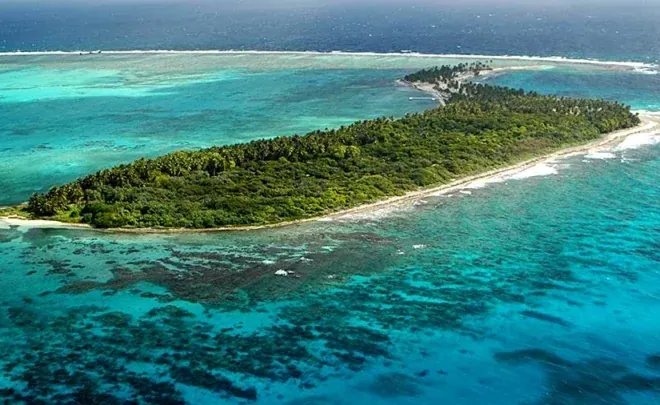
BAS connects classroom learning, field experiences and community knowledge. Explore school visits, youth programs and community partnerships, then arrange an experience with the education team.
Outdoor learning at Guanacaste, Crooked Tree, Cockscomb and St. Herman’s connects national curriculum topics with real ecosystems. BAS’s guidance asks organizers to contact the team at least two weeks ahead and share learning objectives so field educators can prepare.
Read the document ↗School presentations introduce protected areas, ecosystems and conservation, using discussion and practical activities to prepare students for experiences in nature.
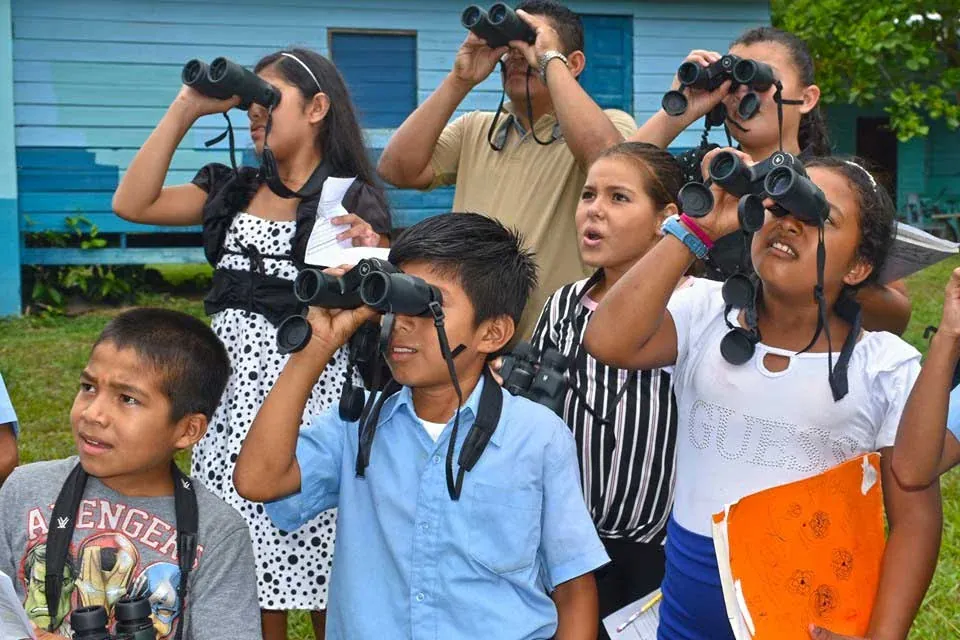
BAS’s 2021 guide described nine school bird clubs near Cockscomb, Crooked Tree and St. Herman’s. The 2024 report records a more limited restart after pandemic pauses, with two schools re-engaged. Rangers and educators teach observation and care for habitats; ask BAS about current school participation.
Read the document ↗Launched as a pilot in 2013, the program combines classroom and marine field experiences for young people from fishing communities. Its published guide describes two-year cycles, leadership training, biodiversity monitoring, basic seamanship and dive training added in 2018.
Read the document ↗Reef Protectors field activities include turtle-nest monitoring, beach profiles, bird counts, seagrass surveys, and fish and coral identification while snorkeling. Young people practice knots, navigation and boat handling, and meet fishers while collecting catch information. The education guide describes visits to four marine protected areas, including Half Moon Caye and Blue Hole; ask the education team about the next cycle and eligibility.
Read the document ↗Nature-themed day camps have connected members, families and children from neighboring communities with protected areas. Contact BAS for current opportunities and participation arrangements.
Read the document ↗Outreach staff, protected-area teams and Fisheries Officers meet fishers at sea to share information and hear concerns. These conversations bring conservation decisions closer to the people who use marine resources.
BAS’s outreach guide records guide training and improved stoves in Maya Centre, beekeeping in Maya Mopan, support for Red Bank’s Scarlet Macaw Bed and Breakfast Group, a chicken cooperative in San Roman and vegetable-growing initiatives in Santa Rosa. These are documented project examples, not open funding offers.
Read the document ↗Community members and co-management partners exchange project updates, management information and concerns through Local Advisory Committees. Their participation connects protected-area decisions with neighboring communities.
Socio-economic studies help BAS understand livelihoods and the changing needs of communities around protected areas. Communication and capacity-building projects have involved Maya Centre, Maya Mopan, Santa Rosa, San Roman, Red Bank and Santa Cruz.
Read the document ↗For classroom presentations, nature-school visits and educational displays, contact education@belizeaudubon.org or the BAS office. Describe your group, preferred dates and learning goals.
Email the education team ↗Research and monitoring help BAS understand change, make management decisions and share evidence with communities, partners and policymakers. Its program covers marine and terrestrial ecosystems.
Published priorities include queen conch, spiny lobster, marine turtles, Nassau grouper spawning, coral health and bleaching, water quality, mangroves, seagrass and seabirds. Work at Lighthouse Reef connects the Blue Hole and Half Moon Caye with their wider marine surroundings.
Read the document ↗Terrestrial monitoring includes resident and migratory forest birds, waterbirds, water quality, mammals such as jaguars and pumas, Morelet’s and American crocodiles, and broadleaf forest and savanna ecosystems.
Read the document ↗Geographic information systems bring sampling locations and habitats together. BAS describes mapping conch and lobster surveys, coral and seagrass habitats, jaguar studies, bird counts, waterways and forest cover.
Read the document ↗The Spatial Monitoring and Reporting Tool helps rangers and researchers record observations, evaluate patrols and understand threats. BAS’s tools guide describes applications in enforcement, wildlife sightings, birds and sea turtles.
Read the document ↗Bird observations become useful evidence when carefully identified and recorded. BAS’s team uses eBird for sightings and Merlin as an identification aid; visitors can also use these tools to learn and contribute responsibly.
Read the document ↗BAS’s research guidance asks researchers to submit proposals to BAS and the relevant Belizean government department, and obtain the required government scientific permit before arriving. It describes research accommodation at Half Moon Caye, Cockscomb and St. Herman’s; confirm availability and requirements directly.
Read the document ↗Start by sending BAS your proposed site, research question, methods, dates and the support you need. The Society reviews and endorses proposals alongside the relevant government department; BAS’s agreement does not replace a government scientific permit. Arrange field-team availability, accommodation and equipment before traveling. The program’s facilities are modest, and its priorities include biological research as well as the social and economic conditions that affect protected areas.
Prepare a research enquiry →The conservation library includes a 2020–2021 research and monitoring report, a MoSI bird-banding report, coral-disease project material, a howler-monkey reintroduction study and a historical lobster-regulation notice. The documents retain their original dates.
Research library →Based on BAS’s published pages and reports, reviewed November 8, 2026. Historical projects and figures retain their dates. Original documents are available in the resource library. Browse the library →